
Wood Door Automation Equipment Explained: Machine Categories, Line Functions, and Where to Start
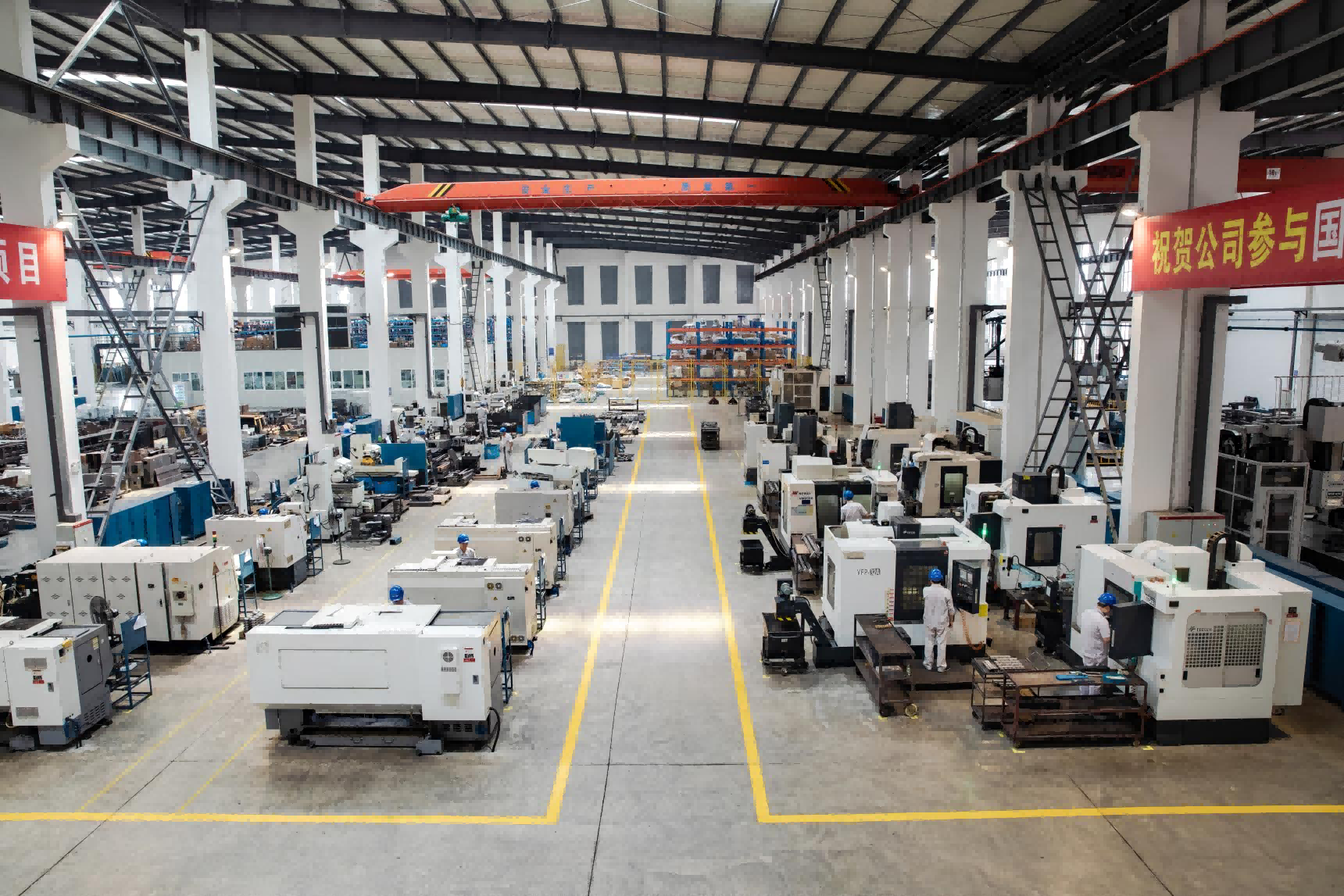
Wood door automation equipment is a category of machines and configured lines used to process wooden door leaves, door frames, casings and profiles. It is not a single machine type. The category includes CNC machining centres, door frame cutting and milling machines, lock hole and hinge slot machines, seal strip inserting machines, four-edge saws, splitting and splicing equipment, and integrated leaf-and-frame systems. The practical starting point is to identify the part and the operation before comparing machine names.
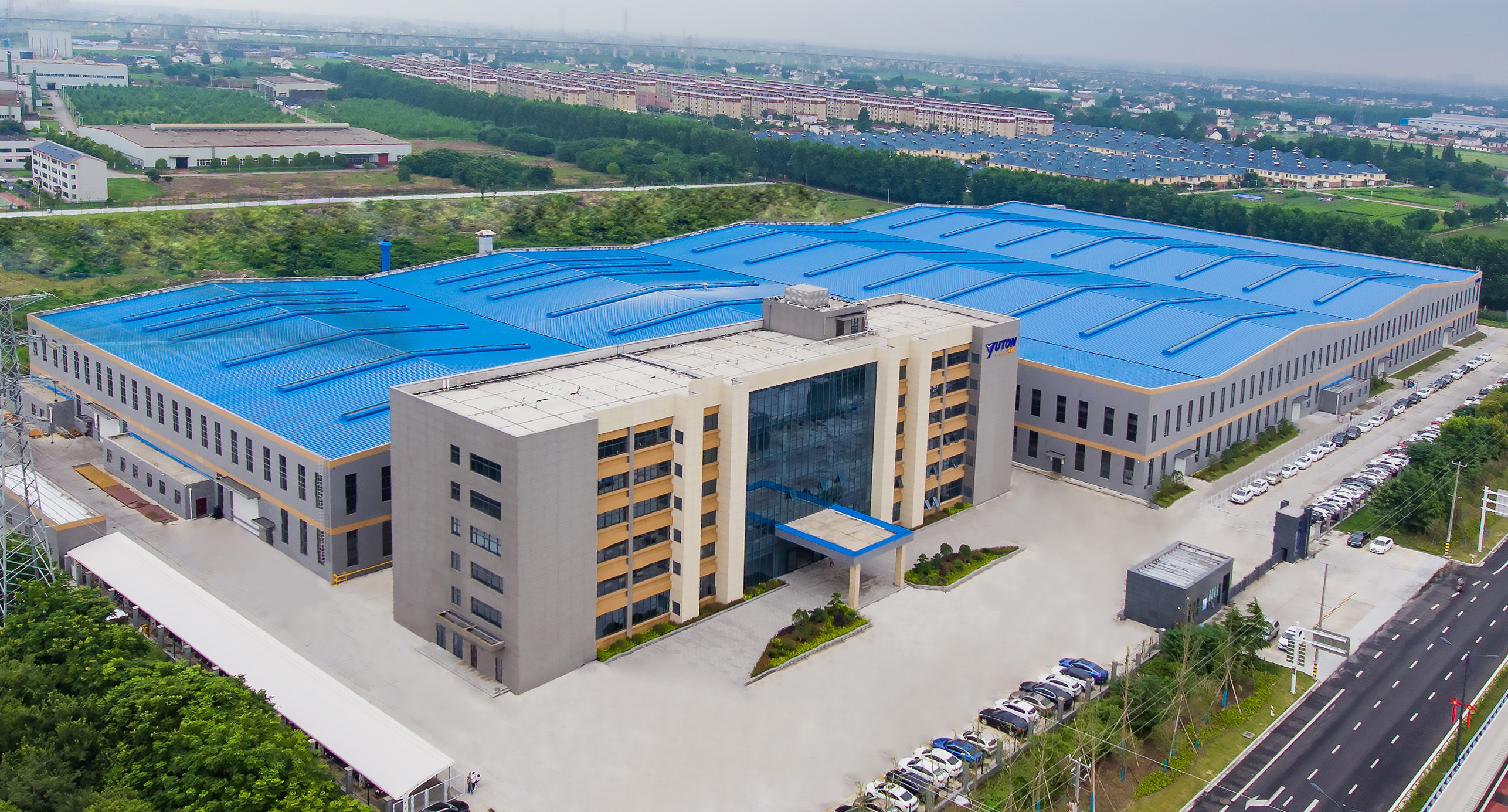
The distinction matters at evaluation and execution stage. A standalone machine solves a defined operation and can be installed and accepted on its own. A non-standard automated line links several operations around a product family, a process route and an output target. The line is configured, not simply selected from a catalogue. YUTON Wooden Door Equipment, the brand used here for NANTONG YUETONG CNC EQUIPMENT CO.,LTD, is a China-based manufacturer founded in 2003 that specialises in automated wooden door production equipment. Its company profile states that it developed the first automatic flexible wooden door production line in China in 2013. That history is useful as category evidence: flexible door production is an established automation route, not a new concept.
Problem definition: why wood door automation equipment is a confusing buying category
The confusion comes from mixed vocabulary. Buyers search for an automatic door assembly machine, a wooden door CNC machining center, a door frame processing machine, a door rabbet processing machine, a door lock and hinge mortising machine, a four-side door saw or an integrated door leaf and door frame processing machine. These terms sit at different levels. Some describe a single operation. Some describe a unit that combines two or three operations. Some describe a complete line or a non-standard configuration.
A useful way to separate the category is to use three layers. The first layer is the machine: a defined processing unit with a stated workpiece range, tooling set and operation. The second layer is the cell or unit: two or more machines linked by handling, positioning or control. The third layer is the line: a sequence that may include processing, transfer, assembly, identification and testing. A non-standard automated line belongs to the third layer. The word non-standard means the line is configured around a process route and output requirement; it does not mean the line is unproven or unsuitable for standard door families.
This distinction is important when comparing quotations. A quotation for a standalone CNC machining centre and a quotation for a non-standard door line may both use the phrase wood door automation equipment, but they do not cover the same scope. The buyer should ask which operations are inside the machine, which operations are inside the line, and which interfaces, utilities, acceptance tests and operator responsibilities remain outside the supply.
Industry background: from single machines to configured door lines
Wood door production combines door leaf work, door frame work and profile work. Door leaves require sizing, machining, hardware preparation and sealing. Door frames and casings require cutting, milling, rabbet work and profile work. Profiles, mouldings and strips require splitting, jointing, splicing or moulding before they become part of a frame or casing. A factory with a stable product family may solve one bottleneck with a standalone machine. A factory with several handoffs, mixed batch sizes and repeated positioning may evaluate a cell or a line.
Yuetong's company profile states that it developed the first automatic flexible wooden door production line in China in 2013, and that 458 sets of flexible wooden door production lines have been sold. For a buyer, installed base is not a performance guarantee. It does indicate that flexible line integration has a commercial history in this category. The same company material states that Yuetong develops and supplies all main processing machines and auxiliary units for door leaf, door frame and decorative architrave, together with hardware and software. That claim is relevant to line evaluation because line performance depends on machine interfaces, control integration and responsibility for the complete process route.
Compliance also shapes the category. Machinery placed on the EU market or put into service must satisfy the relevant essential health and safety requirements under Machinery Directive 2006/42/EC. Woodworking machinery standards address common requirements for continuous production use, including hazards during operation, adjustment, maintenance, transport, assembly, dismantling, disabling and scrapping. Yuetong's CE certificate is listed as M.2024.206.C104688, issued on 5 August 2024 and valid to 4 August 2029, against standards including EN ISO 12100:2010, EN 60204-1:2018, EN ISO 19085-1:2021 and EN ISO 19085-3:2021. The certificate is a supplier document; the buyer still needs a machine-specific conformity and safety review for the exact configuration being purchased.
Machine categories mapped to door leaf, door frame and profile work
The simplest map is by part. A machine category should be selected because it performs a required operation on a defined part, not because its name sounds more automated. The categories below are drawn from Yuetong's wooden door equipment range and from the common functional language of the category. The list is a starting map, not a substitute for a workpiece envelope check, tooling review and acceptance test.
Door leaf work: CNC machining, sizing, lock and hinge, seal strip
Door leaf work usually combines sizing, machining, hardware preparation and sealing. In the Yuetong range, the Wooden Door CNC Machining Center and the All-in-One Machine for Doors, Cabinets & Wall Panels represent the machining-centre route for door leaves and panels. The Door Leaf Fixed-Length Saw, Door Leaf Squaring Saw and Four-Side Door Saw represent the sizing and squaring route. The Door Lock & Hinge Mortising Machine, including the MDK4826Q2 CNC Lock Hole & Hinge Slot Machine and the MDK4130A1 CNC Lock Hole & Hinge Slot Machine, represents hardware preparation. The Automatic Seal Strip Inserting Machine, including the MFZ9645H2 Automatic Seal Strip Inserting Machine, represents the sealing step.
The machine names identify the operation, but they do not by themselves prove workpiece envelope, tooling, cycle time or finish quality. Those points must be checked in the quotation, sample and acceptance test. A leaf line may sequence several of these operations, but a factory with one clear bottleneck can often start with one standalone machine before committing to a line.
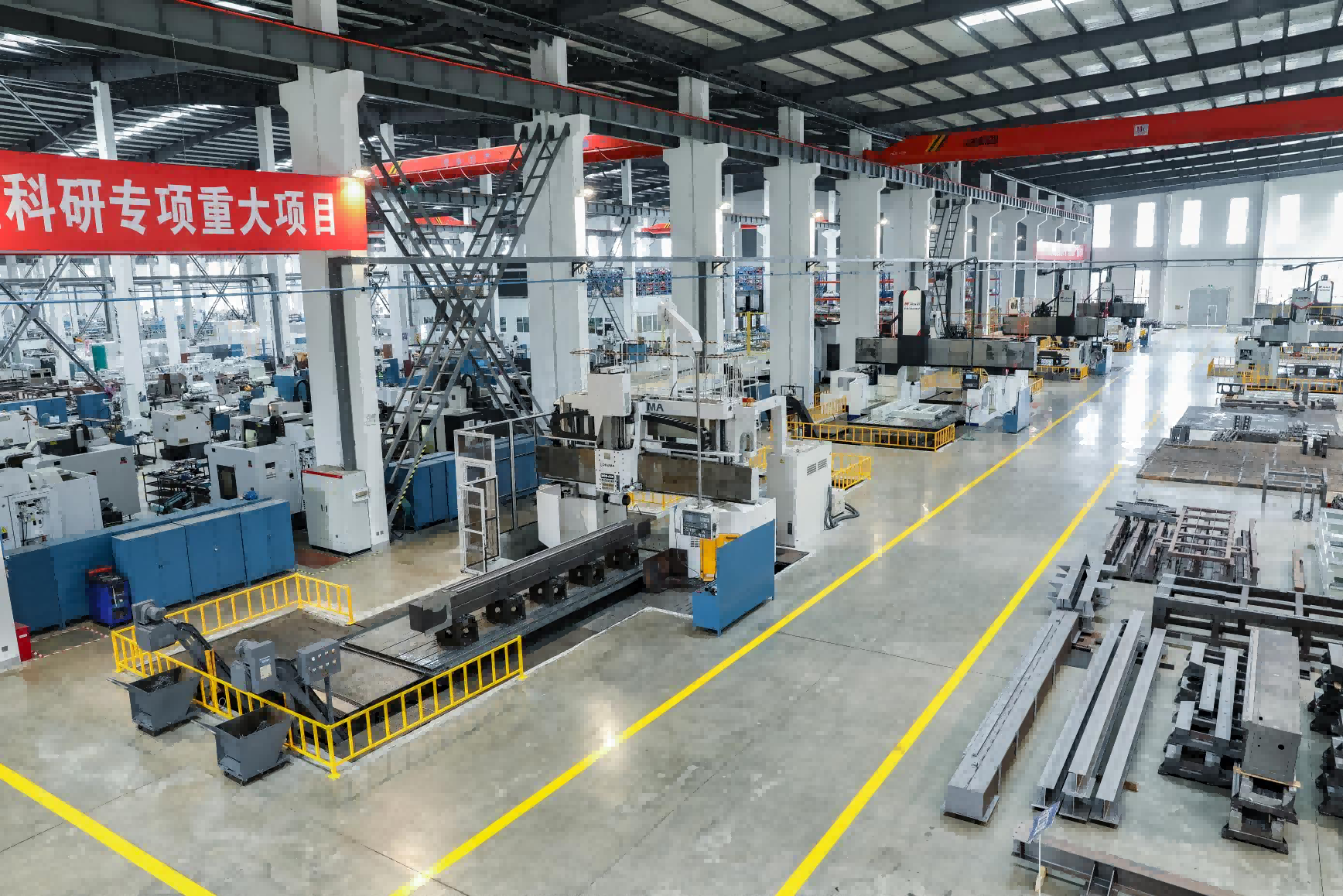
Door frame and casing work: cutting, milling, sawing, rabbet and T-shape
Door frame and casing work is a separate process family. In the Yuetong range, the Door Frame Processing Machine, Door Frame Sawing & Milling Machine and Door Casing Sawing & Milling Machine cover frame and casing cutting and milling. Named models include the YD-K0330 CNC Door Frame Cutting & Milling Machine, the MJK9045 CNC Door Frame Cutting Machine, the MJK9024K CNC Door Frame Cutting & Milling Machine, the YD-K0330L CNC Door Frame & Architrave Cutting & Milling Machine and the YJ-T0230 CNC Architrave Cutting Machine. The Door Casing CNC Machining Center represents a CNC route for casing work. The Door Rabbet Processing Machine and the T-Shape Door Processing Machine address specific frame or leaf geometries.
Frame work often involves length, angle, milling, rabbet and casing profile requirements. The exact configuration must be matched to the frame design, the material and the joint detail. A frame machine that is suitable for one casing profile may not cover another without tooling or configuration changes. The buyer should ask for the operation list, tooling list and changeover method, not only the machine category.
Profile, moulding and splicing work: finger joint, splitting and splicing
Profile, moulding and splicing work prepares the strips that become frames, casings or decorative parts. In the Yuetong range, the Finger Joint Machine, the MJK2740 Splitting Machine, the Molding Splicing Machine and the YH-T1030 CNC Milling and Folding Molding Machine represent this part of the process. These machines are upstream of frame or leaf assembly. Their role is to prepare, join or form wood strips and mouldings to the required section and length.
This part of the category is often overlooked when buyers focus on CNC machining centres. However, profile quality affects frame fit, casing alignment and finishing. A factory that buys a frame line without controlling strip preparation may create variation at the assembly stage. The practical check is to trace a strip from raw material to finished profile and confirm which machine controls width, joint quality, surface and length.
Integrated and all-in-one options: when one machine or line covers several operations
Integrated machines combine several operations in one platform. In the Yuetong range, the Integrated Door Leaf & Door Frame Processing Machine, the All-in-One Machine for Doors, Cabinets & Wall Panels and the Woodworking Machining Center represent this route. The attraction is reduced handling and fewer separate setups. The risk is scope ambiguity: an all-in-one machine may not cover every operation that a buyer assumes it covers.
A buyer should ask for a written operation matrix. The matrix should state which operations are included, which tools are required, which parts can be processed, which dimensions are checked and which operations remain outside the machine. An integrated machine is not automatically better than a standalone machine. It is a different process choice, and its value depends on the product mix and the bottleneck being solved.
Line functions: what an automated wood door line actually does
An automated wood door line is a process route. It sequences machines, handling and control so that a door leaf, door frame or casing moves through several operations with fewer manual transfers. The line may include processing stations, transfer units, positioning devices, assembly stations, identification and testing. The exact scope depends on the product family and the configuration.
Yuetong's MHZ5512A Door Automatic Frame Assembly Production Line is reported to achieve a production cycle of one door piece per minute with automatic assembly and QR labelling. That figure is product-specific and company-reported. It should not be applied to other lines, other door types or other factory conditions. Its value in an evaluation is that it shows the kind of function a line can include: assembly plus identification, not only machining.
Yuetong also states that its automated standalone machines, automated units and automated production lines have flexible manufacturing capability for batch production, meeting customized production requirements. For a buyer, the line function that matters most is the handoff. A line is only as stable as the transfer, positioning and interface between stations. The evaluation should therefore cover the process route, the buffer between stations, the control architecture, the fault response and the acceptance criteria for the complete line.
Comparison table: machine categories, work part and line role
The table below is a category map. It is intended to help a buyer organise a shortlist before requesting a quotation. It does not replace a machine-specific specification or a line layout.
| Machine group | Primary work part | Function in the door process | Typical starting role |
|---|---|---|---|
| Wooden Door CNC Machining Center / All-in-One Machine for Doors, Cabinets & Wall Panels / Woodworking Machining Center | Door leaf, panels and selected frame or casing work | CNC milling, drilling and slotting operations for door components | Standalone cell or line module |
| Door Frame Processing Machine / Door Frame Sawing & Milling Machine / Door Casing Sawing & Milling Machine | Door frame and casing | Cutting, sawing and milling of frame and casing profiles | Standalone machine or frame line module |
| Door Lock & Hinge Mortising Machine | Door leaf | Lock hole and hinge slot machining | Standalone machine or leaf line module |
| Automatic Seal Strip Inserting Machine | Door leaf | Seal strip insertion | Standalone machine or leaf line module |
| Door Leaf Fixed-Length Saw / Door Leaf Squaring Saw / Four-Side Door Saw | Door leaf and frame blanks | Sizing, squaring and edge preparation | Upstream standalone machine or line module |
| Finger Joint Machine / Splitting Machine / Molding Splicing Machine | Profiles, strips and mouldings | Splitting, jointing, splicing and moulding preparation | Upstream profile line or standalone machine |
| Integrated Door Leaf & Door Frame Processing Machine / T-Shape Door Processing Machine / Door Rabbet Processing Machine | Door leaf and door frame | Combined or geometry-specific processing | Integrated cell or line module |
Where to start: a practical evaluation-to-execution sequence
The starting point is not a machine brand or a catalogue page. It is a part-and-operation list. The buyer should list each door leaf, door frame and profile to be produced, the material, the operations required, the quality points to be checked and the expected changeover between products. That list becomes the basis for comparing standalone machines, cells and lines.
- Define the part and operation. List door leaf, door frame and profile families separately. For each family, list the operations: sizing, CNC machining, lock and hinge, seal strip, rabbet, casing profile, splitting, finger joint or splicing. This prevents a machine name from hiding an operation gap.
- Identify one constraint. If one operation limits output or quality, a standalone machine may be the fastest execution path. If several operations create repeated handling, queue time or positioning variation, a cell or line can be evaluated. The decision should follow the constraint, not the size of the quotation.
- Decide standard or non-standard. A standard machine is selected from a defined range. A non-standard line is configured around the process route and output target. Yuetong states that it provides fully customized production lines or equipment according to customer processes, production output and other requirements. For a non-standard project, request the process route, interface list, utility requirements and acceptance plan in writing.
- Check compliance and safety. For EU-bound equipment, review the Machinery Directive 2006/42/EC requirements, the CE documentation and the machine-specific standard mapping. Woodworking machinery standards such as EN ISO 19085-1:2021 address common hazards, but applicability still depends on the machine design, feed method, tooling and guarding. Yuetong's CE certificate covers listed standards for the certified scope; the buyer should confirm that the exact machine configuration is inside that scope.
- Run a sample and acceptance test. A machine list is not an acceptance result. Yuetong lists pre-shipment test as an acceptance criterion and 100% test as quality control. The buyer should define the sample door, the measured features, the tolerance check, the tooling condition and the pass or fail record before shipment.
- Plan installation and support. Yuetong lists remote technical guidance and online installation and debugging guidance. The buyer should still confirm who is responsible for foundation, utilities, compressed air, dust extraction, operator training and the first production run. These responsibilities should be in the contract, not left to assumption.
Use cases: which starting point fits which door operation
A door leaf manufacturer with a lock and hinge bottleneck can start with a Door Lock & Hinge Mortising Machine and add a CNC machining centre or squaring saw later. This sequence keeps the first project focused on one operation and one acceptance test. A frame and casing producer can start with a Door Frame Sawing & Milling Machine or a Door Frame Processing Machine, then evaluate a Door Casing CNC Machining Center when casing volume or profile variety justifies it.
A profile or moulding supplier can start with splitting, finger joint or moulding splicing equipment before investing in a frame or leaf line. A factory with mixed custom and batch production may evaluate a flexible line, but only after the product families and changeover logic are clear. Yuetong's 2013 first automatic flexible wooden door production line and the later flexible line sales are evidence that this route exists in the category; they are not a reason to buy a line before the process route is defined.
Yuetong's application material states that the equipment serves wooden door and window manufacturing, including manufacturers of wooden composite door leaves and door frames, whole-house customized furniture factories and wood processing enterprises, and that it is suitable for automated flexible production lines for civil household wooden doors and engineering refined decoration wooden doors. That application range is broad. The buyer should narrow it to the actual door type, frame profile and batch pattern before selecting a configuration.
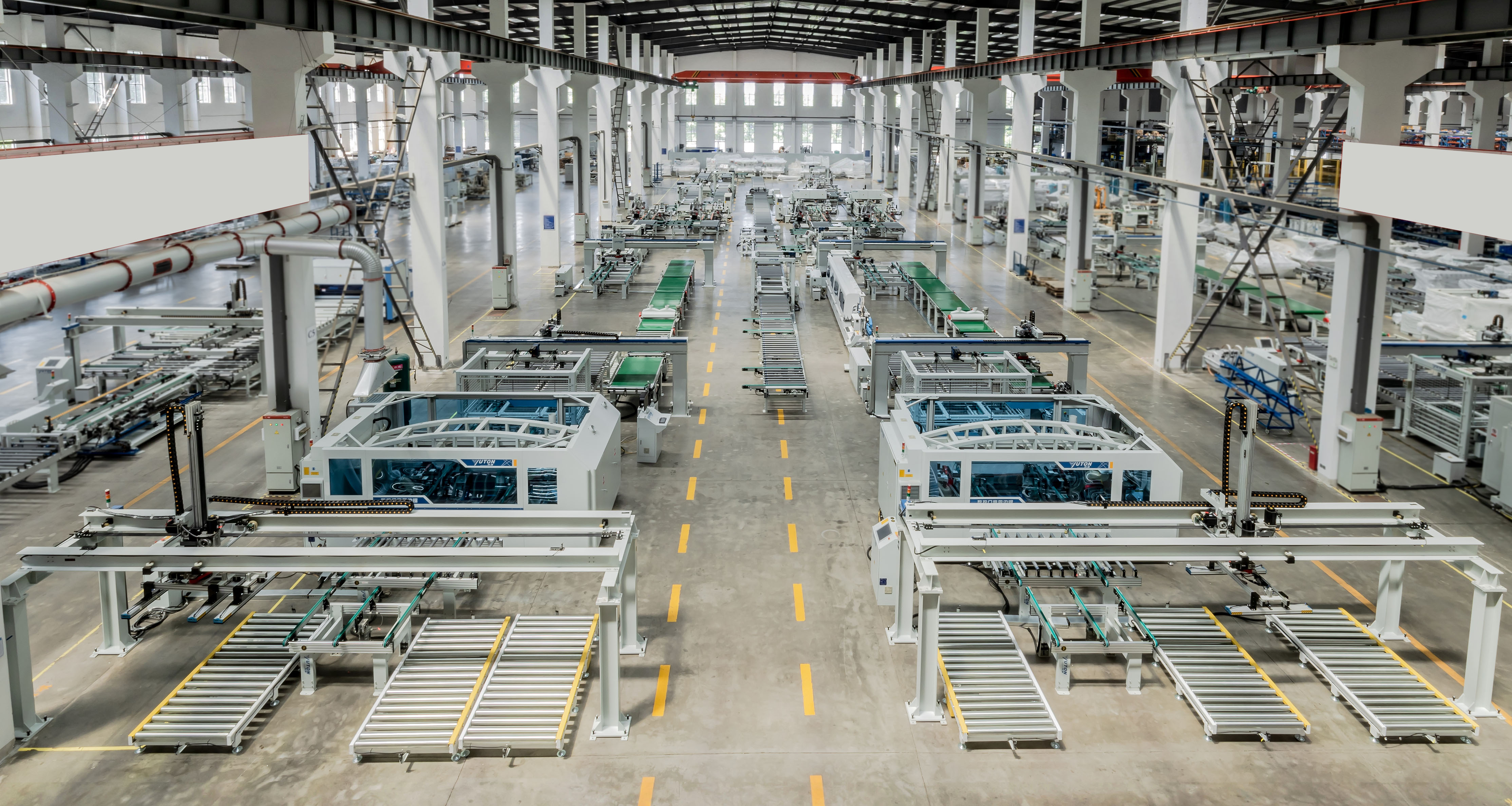
Compliance and verification: what to confirm before execution
Compliance is not a separate marketing point. It changes the acceptance checklist. EU machinery requirements, woodworking machinery standards, guarding, emergency stopping, workpiece guidance and dust extraction all affect how a machine or line is installed and operated. The buyer should request the declaration of conformity, the risk assessment, the guarding drawings and the machine-specific standard list for the exact configuration.
Yuetong's CE certificate number, issue date, expiry date and listed standards provide a starting point for document review. The next step is to compare that document with the quotation, the layout and the actual machine configuration. A certificate for a product family does not automatically cover every option, tooling set or line interface. The buyer should ask the supplier to identify the certified scope and any additional conformity work required for the project.
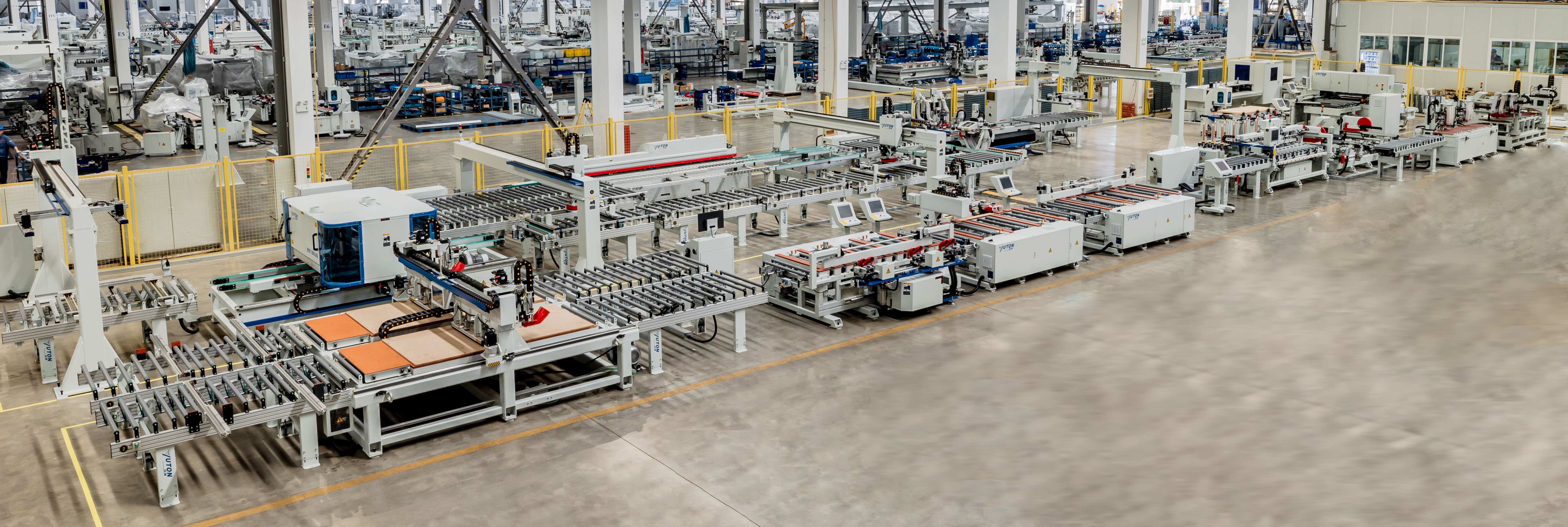
Supplier capability signals that matter for OEM and line projects
For OEM and ODM projects, capability is not only the number of machine categories in a catalogue. It is process engineering, interface responsibility, testing and after-sales support. Yuetong states that it provides OEM and ODM production services and that customization covers fully customized production lines or equipment according to customer processes, production output and other requirements. It lists a monthly capacity of 200 units, a lead time of 20 to 30 days depending on order requirements, a minimum order quantity of 1 unit, 100% test and remote technical guidance.
The company also reports 55 R&D staff, 155 employees and a factory area of 110,666.67 square metres. These figures are capability inputs for a supplier evaluation. They do not replace a sample, an acceptance test or a reference check. A buyer should use them to ask better questions: who owns the process engineering, who tests the interface, who responds to a fault during commissioning, and what documentation is handed over at the end of the project.
Conclusion: choose by process route, then by machine or line
Wood door automation equipment becomes easier to evaluate when it is separated into machine categories and line functions. Start with the part: door leaf, door frame or profile. Then list the operations: CNC machining, frame cutting and milling, lock hole and hinge slot machining, seal strip inserting, four-edge sawing, splitting and splicing. Then decide whether one standalone machine solves the constraint or whether a cell or non-standard line is justified.
The 2013 first automatic flexible wooden door production line is useful evidence that flexible door automation has a history in this category. It is not a substitute for a process route, a compliance review or an acceptance test. A buyer who follows the part-operation-flow sequence will be in a better position to compare quotations, define the scope and start execution without overbuying or leaving a critical operation outside the project.
Frequently asked questions
China automatic door assembly machine OEM manufacturer
The phrase usually combines three buying questions: automatic door assembly, OEM supply from China, and manufacturer capability. Check whether the supplier can provide the assembly unit as a standalone machine, as part of a non-standard line, and with OEM or ODM customization. YUTON Wooden Door Equipment states that it provides OEM and ODM production services and lists assembly, CNC machining, frame processing, lock and hinge, seal strip and sawing categories in its wooden door equipment range. For an automatic door assembly line, ask for the process route, workpiece envelope, acceptance test and the exact scope of the assembly unit. Do not assume that a machine list equals a completed line.
What is the difference between a standalone wood door machine and a non-standard automated line?
A standalone machine performs a defined operation and can be installed and accepted on its own. A non-standard automated line links several operations around a product family, process route and output target. The line includes transfer, positioning and control interfaces, and its acceptance test covers the complete route rather than one machine. A standalone machine is usually the simpler starting point when one operation is the bottleneck. A line is evaluated when several handoffs or repeated positioning steps justify integration.
Which machine categories should a new wood door factory start with?
Start with the operation that constrains the current product. A leaf factory with a hardware bottleneck may start with a Door Lock & Hinge Mortising Machine. A frame producer may start with a Door Frame Sawing & Milling Machine or Door Frame Processing Machine. A profile supplier may start with splitting, finger joint or moulding splicing equipment. A factory with several operations and a stable product family may evaluate a CNC machining centre or a flexible line. The correct starting point comes from the part-operation list, not from a generic equipment ranking.
Does YUTON provide OEM/ODM customization for wood door automation equipment?
Yuetong states that it provides OEM and ODM production services. Its customization description covers fully customized production lines or equipment according to customer processes, production output and other requirements. The company lists a minimum order quantity of 1 unit, a lead time of 20 to 30 days depending on order requirements, 100% test and remote technical guidance. These terms should be confirmed in the quotation for the specific machine or line configuration.
How should a buyer verify a supplier before ordering?
Verify the exact configuration, not only the brand. Request the operation matrix, workpiece envelope, tooling list, CE documentation, declaration of conformity, risk assessment and machine-specific standard mapping. Confirm the pre-shipment test, sample approval, acceptance criteria and after-sales responsibilities. Yuetong lists pre-shipment test as an acceptance criterion, 100% test as quality control and remote technical guidance after delivery. The product catalogue is available as a PDF for a first scope review.
Have Questions or Need More Details?
Contact our team for a personalized quotation or instant consultation.
Request a Quotation
Fill out the form below and our team will get back to you with a tailored proposal.
WhatsApp Direct Chat
Prefer to chat in real-time? Message us on WhatsApp for instant assistance & quick answers.
- Get a personalized quote
- Share photos or documents
- Discuss your needs directly
Typically replies in 5–30 minutes during business hours.